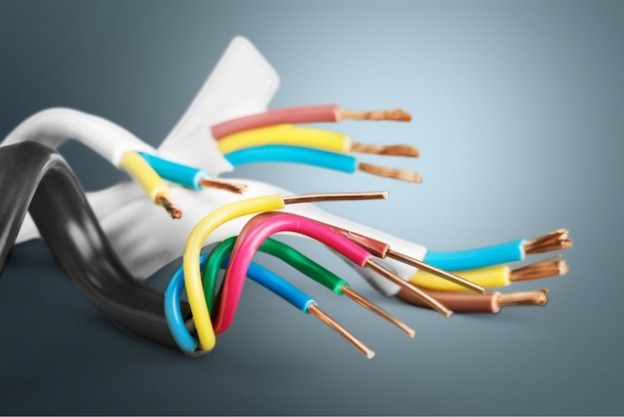
copper-wire02

Copper Braided Wire vs. Electrical Copper Wire: What Actually Matters in Real-World Applications

When engineers specify copper wire, the discussion often starts with conductivity, size, and current carrying capacity. Those are important, but they are not the whole story.

In an actual electrical installation, a conductor may also have to deal with vibration, thermal expansion, repeated movement, restricted installation space, mechanical stress, and demanding operating conditions.

That is where the difference between Copper Braided Wire and conventional Electrical Copper Wire becomes important.

Both are designed to conduct electricity. The real question is not which one is universally better. It is which construction is better suited to the way the connection will actually operate.

Copper Is More Than Just a Conductor

Copper has long been a preferred material for electrical applications because it combines high electrical conductivity with good thermal and mechanical characteristics.

But an electrical connection does not operate in isolation.

A conductor installed inside a switchboard, for example, may experience very different conditions from a conductor connecting moving equipment. Similarly, a transformer connection may need to accommodate vibration and thermal movement that a fixed wiring application does not.

This means conductor selection needs to consider both electrical performance and mechanical behaviour.

That is the key distinction when comparing copper braid with conventional electrical copper wire.

What Is Copper Braided Wire?

Copper Wire is manufactured by interweaving multiple copper strands to form a flexible conductive braid.

The individual strands allow the finished conductor to bend and move more easily than a rigid conductor. Depending on its construction, copper braid can also be manufactured in different widths, thicknesses, strand configurations, and termination arrangements.

Copper braided connections are commonly considered for applications such as:

  • Electrical bonding
  • Grounding and earthing
  • Switchgear
  • Transformers
  • Busbar connections
  • Control panels
  • Industrial machinery
  • Flexible electrical connections
  • Power equipment
  • Equipment subject to vibration or movement

The important characteristic is its ability to combine electrical conductivity with mechanical flexibility.

What Is Electrical Copper Wire?

The term Electrical Copper Wire covers a much broader family of copper conductors.

It can include solid copper conductors, stranded conductors, flexible conductors, bare copper wire, insulated wire, and specially constructed cables.

The choice between these types depends on the application.

A fixed installation may favour a conventional conductor designed for stability and straightforward termination. A dynamic application may require a more flexible construction.

So comparing “braided” and “electrical” copper wire is not simply a comparison between two materials. In most cases, both are copper conductors, but their construction serves different engineering requirements.

The Real Difference: Flexibility

This is perhaps the most important distinction.

A conventional electrical conductor is often selected to remain relatively stationary after installation. Copper braid, on the other hand, is particularly useful when the connection needs to tolerate movement.

That movement may come from:

  • Equipment vibration
  • Thermal expansion
  • Mechanical movement
  • Repeated access to electrical equipment
  • Relative movement between connected components
  • Installation constraints

A flexible connection can reduce mechanical stress being transferred to terminals, joints, and connected equipment.

This can be particularly valuable in industrial environments where equipment does not remain perfectly stationary throughout its operating life.

Why Vibration Changes the Selection

Electrical equipment in factories, power systems, transportation applications, and industrial machinery can experience continuous or intermittent vibration.

A rigid connection subjected to repeated mechanical movement can place stress on connection points.

A properly designed braided copper connection can accommodate some of this movement more effectively.

This does not mean copper braid automatically solves vibration-related problems. The braid dimensions, termination design, mounting arrangement, bending conditions, and application-specific requirements all matter.

But where flexibility is part of the design requirement, braided copper can provide an advantage that a rigid conductor may not.

Thermal Expansion Is Often Overlooked

Electrical equipment heats up during operation.

As temperatures change, metallic components expand and contract. In large electrical assemblies, this movement can become relevant, particularly when different components are connected across relatively short distances.

A flexible copper connection can help accommodate this relative movement.

This is one reason flexible copper links and braided connections are used in certain transformer, switchgear, busbar, and power distribution applications.

The objective is simple: allow the electrical connection to move without unnecessarily transferring mechanical stress to the equipment.

Copper Braided Wire vs. Electrical Copper Wire

The comparison becomes clearer when looking at the characteristics that matter in an installation.

Factor Copper Braided Wire Electrical Copper Wire
Electrical conductivity Excellent, depending on copper grade and construction Excellent, depending on copper grade and construction
Flexibility Generally very high Varies significantly by conductor construction
Vibration tolerance Well suited to flexible connections Depends on conductor type and installation
Thermal movement Can accommodate relative movement Depends on construction
Fixed wiring May be unnecessary for some applications Commonly suitable
Grounding/bonding Frequently used where flexibility is required Widely used depending on design
Switchgear applications Useful for flexible links Also widely used
Transformer connections Useful where movement or vibration must be accommodated Application dependent
Termination Often requires purpose-designed terminals or lugs Depends on conductor design
Best selection criterion Flexibility + electrical requirements Electrical + installation requirements

The table highlights an important point: conductivity alone should not determine the choice.

Current Carrying Capacity Is Not Just About Copper

One common misconception is that choosing a copper conductor automatically tells you how much current it can safely carry.

In reality, current carrying capacity depends on several factors.

These can include:

  • Cross-sectional area
  • Conductor construction
  • Operating temperature
  • Ambient temperature
  • Installation method
  • Heat dissipation
  • Insulation
  • Grouping with other conductors
  • Duty cycle
  • Connection quality
  • Applicable standards

For braided conductors, the physical construction also matters because the effective conductive area and heat dissipation characteristics need to be considered for the specific design.

For critical applications, the manufacturer’s technical data and applicable standards should always take precedence over generic rules of thumb.

The Connection Can Be More Important Than the Wire

A high-quality copper conductor can still perform poorly if its termination is badly designed or installed.

Electrical resistance at a connection point can create localized heating. Over time, poor contact pressure, unsuitable termination, corrosion, inadequate crimping, or mechanical stress can affect reliability.

For copper braided assemblies, particular attention should be paid to:

  • Lug design
  • Crimp quality
  • Contact surface
  • Fastener arrangement
  • Contact pressure
  • Braid dimensions
  • Bend radius
  • Mechanical support

In other words, selecting the conductor is only one part of designing a reliable electrical connection.

Where Copper Braided Wire Makes Practical Sense

Copper braid becomes especially attractive when flexibility is an actual requirement.

1. Switchgear and Electrical Panels

Inside switchgear and panels, components may require flexible connections because of their arrangement, access requirements, or movement.

Braided copper links can provide a compact and flexible connection between conductive components.

2. Transformers

Transformers generate heat and can experience vibration during operation.

Flexible copper connections can help accommodate movement between components while maintaining the required electrical connection.

3. Grounding and Bonding

Grounding connections sometimes need to accommodate movement, particularly between equipment doors, panels, machinery sections, or other metallic components.

Copper braid can provide a flexible bonding path while maintaining electrical continuity.

4. Busbar Connections

Large electrical assemblies can experience thermal expansion.

Flexible copper connectors can help accommodate relative movement between busbars and connected equipment where the system design calls for it.

5. Industrial Machinery

Machinery can generate significant vibration.

Where electrical connections are exposed to this environment, a flexible conductor may be more appropriate than a rigid connection.

When Conventional Electrical Copper Wire May Be the Better Choice

Copper braid is not automatically the right solution.

For straightforward fixed electrical installations, conventional Electrical Copper Wire can be simpler, more economical, and easier to install.

It may be the better choice when:

  • The conductor remains stationary
  • There is little or no mechanical movement
  • Standard cable installation is required
  • Insulation and voltage rating are key requirements
  • Conventional terminals are being used
  • The installation follows a standard wiring architecture

Using a specialised flexible braid where flexibility provides no practical benefit can add unnecessary complexity.

Good engineering is not about choosing the most sophisticated component. It is about choosing the component that fits the application.

Does More Flexibility Always Mean Better Performance?

Not necessarily.

Flexibility is valuable when the application requires movement. But a conductor still needs to meet electrical, thermal, mechanical, and installation requirements.

For example, excessive bending, unsupported weight, poor termination, or repeated movement beyond the product’s intended flex-life can compromise a flexible connection.

The correct question is therefore not:

“Which conductor is more flexible?”

It is:

“How much flexibility does this application actually require?”

That distinction can prevent both under-specification and unnecessary over-engineering.

What Buyers Should Check Before Purchasing

For procurement teams, comparing products only by price per metre or kilogram can be misleading.

A better technical evaluation should consider:

Material

Check the copper grade and material specification.

Dimensions

Verify width, thickness, cross-sectional area, strand diameter, and overall dimensions where applicable.

Electrical Characteristics

Review resistance and other relevant electrical performance data against the intended application.

Mechanical Requirements

Consider flexibility, bending, vibration, tensile requirements, and expected movement.

Termination

Confirm whether the braid or wire is supplied with suitable lugs, terminals, crimped ends, or other required termination arrangements.

Surface Treatment

Depending on the application and environment, bare copper, tinned copper, or another specified finish may be appropriate.

Quality Documentation

For critical applications, request relevant test reports, material certificates, dimensional inspection records, and compliance documentation.

Manufacturing Consistency

A reliable supplier should be able to maintain consistent dimensions, material quality, and workmanship across production batches.

Why Supplier Experience Matters

Copper conductors are relatively simple products to describe, but application requirements can be surprisingly specific.

An experienced manufacturer or supplier should be able to discuss more than just product dimensions.

They should understand questions such as:

  • What current will the conductor carry?
  • Is the connection fixed or flexible?
  • Will the equipment vibrate?
  • How much thermal movement is expected?
  • What termination method will be used?
  • What environmental conditions exist?
  • Which standards apply?
  • What service life is expected?

This kind of application-focused discussion is often more valuable than simply selecting a product from a catalogue.

The Bottom Line

The debate between Copper Braided Wire vs. Electrical Copper Wire is not really about which copper product is superior.

It is about understanding what the electrical system demands from its conductor.

If the application is primarily fixed and requires conventional electrical distribution or wiring, an appropriate electrical copper conductor may be the logical choice.

If the connection must accommodate vibration, movement, thermal expansion, or flexible bonding, Copper Braided Wire can offer a valuable combination of conductivity and mechanical flexibility.

The best result comes from evaluating the entire connection rather than looking at the copper conductor in isolation.

In real-world electrical engineering, the right conductor is not simply the one that carries current. It is the one that continues to carry current reliably while handling the mechanical, thermal, environmental, and installation conditions around it.
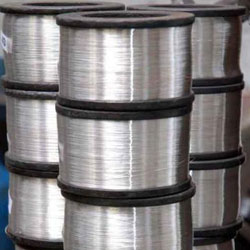
Tin Coated Copper Wire

Copper Wire Cables, Braided Copper Wire, and Tinned Copper Wire: Choosing the Right Copper Conductor for Your Application

When it comes to electrical and industrial applications, copper remains one of the most trusted conductor materials. Its excellent conductivity, flexibility, durability, and ability to handle demanding operating conditions make it suitable for everything from control panels and power systems to automotive equipment and industrial machinery.

However, not every copper conductor is designed for the same purpose. Copper wire cables, braided copper wire, and tinned copper wire each offer different characteristics that can make one option more suitable than another. Understanding these differences can help engineers, electrical contractors, equipment manufacturers, and procurement teams select the right conductor for their specific requirements.

Why Copper Continues to Be a Preferred Conductor

Copper has been used in electrical systems for generations, but its importance has not diminished. Modern electrical and industrial equipment often demands conductors that can provide reliable performance while occupying less space and accommodating increasingly complex designs.

  • High electrical conductivity
  • Good thermal conductivity
  • Excellent flexibility
  • Reliable mechanical performance
  • Good resistance to fatigue
  • Ease of termination and joining
  • Long service life when properly selected and installed

The important consideration is not simply whether to use copper, but which type of copper conductor best fits the application.

What Are Copper Wire Cables?

Copper wire cables are among the most commonly used electrical conductors. They consist of one or more copper wires, either solid or stranded, that are generally protected with insulation or an external covering depending on the application.

Stranded copper cables are particularly useful where some degree of flexibility is required. Multiple fine copper strands can move more easily than a single solid conductor, making them suitable for equipment that experiences movement or vibration.

Common Applications of Copper Wire Cables

  • Electrical power distribution
  • Control panels
  • Industrial machinery
  • Building wiring
  • Automotive systems
  • Communication and control equipment
  • Renewable energy installations
  • Electrical equipment and assemblies

What Makes Copper Wire Cables Useful?

The biggest advantage is their combination of conductivity and practicality. Copper can carry electrical current efficiently while allowing cable manufacturers to produce conductors in different sizes, configurations, and constructions.

The correct cable, however, depends on factors such as current requirements, operating temperature, installation environment, mechanical stress, insulation requirements, and available space.

Understanding Braided Copper Wire

Some applications require more than straightforward current conduction. They may also need a conductor that can accommodate repeated movement, vibration, or changes in position. This is where braided copper wire can be particularly useful.

Braided copper wire is made by interweaving multiple copper strands into a flexible braid. The resulting structure provides a combination of electrical conductivity and mechanical flexibility.

Unlike a conventional round cable, a copper braid can conform to different shapes and accommodate movement without requiring the same amount of rigid bending.

Where Is Braided Copper Wire Used?

  • Electrical grounding
  • Flexible bonding connections
  • Switchgear
  • Transformers
  • Electrical panels
  • Industrial machinery
  • Battery and power connections
  • Earthing systems
  • High-current flexible connections

One of the biggest benefits of a copper braid is its ability to maintain an electrical connection while allowing mechanical movement.

For example, equipment may vibrate during operation or two conductive components may move slightly relative to each other. A rigid conductor could experience stress over time, whereas a properly designed braided connection can provide greater flexibility.

What Is Tinned Copper Wire?

Tinned copper wire is copper wire coated with a thin layer of tin. The purpose of tinning is not to improve copper’s basic electrical conductivity. Instead, the tin coating can provide useful protection and improve the conductor’s suitability for certain environments and termination methods.

Copper can oxidise when exposed to environmental conditions. A tin coating helps protect the copper surface and can be particularly valuable in applications where moisture, humidity, or corrosive conditions are concerns.

Common Applications of Tinned Copper Wire

  • Marine electrical systems
  • Automotive wiring
  • Battery connections
  • Outdoor electrical equipment
  • Control systems
  • Industrial equipment
  • Renewable energy systems
  • Electrical assemblies exposed to demanding environments

Why Choose Tinned Copper?

The main reason is environmental protection. If an electrical conductor is going to operate in a humid, damp, salty, or otherwise challenging environment, protecting the copper surface can become an important part of conductor selection.

Tinning can also make certain connections easier to maintain because the tin-coated surface provides a different interface for termination compared with bare copper.

Copper Wire Cables vs Braided Copper Wire vs Tinned Copper Wire

Feature Copper Wire Cables Braided Copper Wire Tinned Copper Wire
Primary purpose Electrical conduction Flexible electrical/bonding connection Electrical conduction with added surface protection
Construction Solid or stranded Interwoven copper strands Copper with tin coating
Flexibility Depends on construction Generally very high Depends on cable construction
Suitable for movement Depends on cable type Excellent for many flexible connections Depends on construction
Environmental protection Depends on insulation/jacket Depends on finish and construction Improved surface protection
Common applications Power and control wiring Grounding, bonding, flexible links Marine, automotive, outdoor and industrial systems

How to Select the Right Copper Conductor

Choosing a conductor involves more than comparing product names. A few practical questions can make the selection process much easier.

1. How much current will the conductor carry?

The conductor’s cross-sectional area must be appropriate for the expected current and installation conditions. An undersized conductor can generate excessive heat, while unnecessarily oversized conductors can increase cost, weight, and installation complexity.

2. Will the conductor move?

If the conductor will experience frequent movement, vibration, or repeated bending, flexibility becomes an important consideration. A braided copper wire solution may be more appropriate for flexible bonding or connections than a conventional rigid conductor.

3. What is the operating environment?

Consider whether the conductor will be exposed to moisture, humidity, salt, chemicals, dust, heat, outdoor conditions, or mechanical vibration. For environments where surface corrosion could become a concern, tinned copper wire may provide an advantage.

4. What type of termination is required?

The conductor must work with the terminals, lugs, connectors, clamps, or other connection methods used in the equipment. This is particularly important in industrial assemblies, where installation reliability can be just as important as the conductor itself.

5. How much space is available?

Modern equipment is becoming increasingly compact. Conductor construction and flexibility can influence routing, bending radius, and installation space.

The Importance of Copper Purity and Manufacturing Quality

Regardless of the conductor type selected, manufacturing quality matters. Electrical performance depends on factors such as copper quality, conductor construction, dimensional consistency, surface condition, and manufacturing controls.

For industrial applications, buyers should look beyond the basic product description and consider whether the manufacturer can provide the required specifications, dimensions, construction details, and quality documentation.

This becomes especially important when conductors are being integrated into equipment that needs consistent performance across multiple production batches.

Where These Copper Products Fit Into Modern Electrical Systems

The use of copper conductors extends across almost every part of modern electrical infrastructure. In industrial equipment, copper cables can provide power and control connections. Braided copper connections can accommodate movement between components or provide grounding and bonding paths. Tinned copper conductors can be useful where environmental exposure creates additional concerns.

The three products can even appear within the same system. For example, an industrial electrical assembly could use conventional copper cables for fixed power connections, braided copper for flexible bonding, and tinned copper conductors in areas exposed to moisture or corrosive conditions.

This is why conductor selection should be based on the specific function and environment of each connection.

Why Working With the Right Manufacturer Matters

Selecting the correct copper conductor is only part of the process. Consistent manufacturing quality, dimensional accuracy, material quality, and product support can have a direct impact on the reliability of the finished electrical assembly.

A capable manufacturer can help customers evaluate factors such as conductor construction, flexibility, dimensions, surface finish, current requirements, and application conditions.

For businesses sourcing copper wire cables, braided copper wire, or tinned copper wire, working with an experienced manufacturer can also make it easier to specify the product according to the actual application rather than relying on a generic catalogue specification.

Final Thoughts

Copper remains a dependable choice for electrical conduction, but the form in which copper is used can make a significant difference.

Copper wire cables are versatile solutions for power, control, and electrical connections. Braided copper wire provides additional flexibility for bonding, grounding, and applications involving movement or vibration. Tinned copper wire adds a protective tin surface that can be valuable in humid, marine, outdoor, and other demanding environments.

The best conductor is ultimately the one that matches the electrical, mechanical, and environmental requirements of the application.

If you are evaluating copper conductors for an industrial, electrical, automotive, or specialised application, choosing the right construction at the beginning can help improve reliability, simplify installation, and support long-term performance.

Rajasthan Electric can be positioned as a reliable source for copper conductor solutions, helping customers identify the appropriate copper wire and cable construction for their specific requirements.

Braided Connectors: The Flexible Solution for Reliable Electrical Connections

Copper continues to be one of the most widely used materials in electrical and industrial applications because of its excellent electrical conductivity, thermal performance, flexibility, and durability. From power transmission and electrical equipment to transformers, switchgear, control panels, and industrial machinery, the right copper conductor can have a direct impact on efficiency, reliability, and service life.

However, not every electrical application requires the same type of copper product. Copper wire, flat copper wire, tinned copper wire, copper strips, and flexible connectors are designed for different operating conditions and installation requirements. Selecting the appropriate product therefore requires an understanding of conductivity, flexibility, dimensions, coating, temperature, mechanical stress, and application.

Rajasthan Electric Industries has been manufacturing and supplying wires, cables, copper products, and connectors since 1959 under the BRITEX brand. Its product range includes copper wires, tinned copper wires, copper strips, braided copper wires, flexible connectors, and related electrical products.

Why Copper Is Widely Used in Electrical Applications

Copper offers a combination of properties that makes it suitable for demanding electrical applications.

Its high electrical conductivity allows current to flow efficiently while helping reduce electrical losses. Copper is also ductile, which means it can be drawn into wires of different diameters and formed into strips, braids, and flexible connections.

Another important advantage is flexibility. Stranded and braided copper products can accommodate movement, vibration, thermal expansion, and repeated mechanical stress better than rigid conductors in applications where flexibility is required.

Copper also offers good thermal conductivity and can be manufactured in different grades, sizes, shapes, and surface finishes to meet specific electrical and industrial requirements.

This versatility is why copper wires are found across electrical equipment, power systems, control panels, transformers, industrial machines, and numerous other applications.

Understanding Different Types of Copper Wires

The term copper wire covers a broad range of products. Choosing the right construction depends on the electrical and mechanical requirements of the application.

1. Electrical Copper Wire

Electrical copper wire is designed to carry electrical current efficiently and is available in different constructions, sizes, and configurations.

Depending on the application, copper wire may be supplied as solid, stranded, flexible, bare, insulated, tinned, or braided wire. Factors such as conductor size, current capacity, operating temperature, flexibility, and installation environment should be considered before selecting a wire.

For industrial applications, using a copper wire with the appropriate conductor construction and dimensions can help achieve consistent electrical performance.

2. Copper Braided Wire

A copper braided wire consists of multiple copper strands braided together to create a flexible electrical conductor.

Unlike rigid conductors, braided copper products can accommodate movement and mechanical vibration. They are therefore commonly used where electrical continuity needs to be maintained while allowing flexibility.

Rajasthan Electric Industries manufactures braided copper wires using electrolytic-grade copper and offers different constructions and dimensions for applications including control panels, transformers, switchgear, relay switches, power meter connections, turbine connectors, and earthing applications.

Braided copper products can also be produced using bare or tinned copper, depending on the requirements of the application.

What Are Braided Connectors?

Braided connectors are flexible electrical connections manufactured using braided copper conductors. They are particularly useful for connecting components that experience vibration, movement, thermal expansion, or contraction.

For example, a rigid connection between two electrical components may experience mechanical stress when the connected components move or heat up. A flexible braided connector can accommodate this movement while maintaining electrical continuity.

Braided connectors are commonly considered for:

  • Switchgear connections
  • Transformers
  • Circuit breakers
  • Busbar connections
  • Control panels
  • Industrial machinery
  • Earthing systems
  • Power equipment
  • Electrical distribution equipment

The construction, width, thickness, strand configuration, and copper grade can be selected according to the electrical and mechanical requirements of the application.

Tin Coated Copper Wire: Why Is Copper Tinned?

A tin coated copper wire is a copper conductor covered with a layer of tin. The coating can provide additional protection to the copper surface and is particularly useful in applications where environmental exposure, solderability, or surface protection is important.

Tinned copper wire is available in different conductor sizes and constructions. Rajasthan Electric Industries offers tin-coated copper wires produced through processes including electrolytic and hot-dip tin coating, depending on the product specification.

Common applications can include:

  • Cable manufacturing
  • Electrical equipment
  • Industrial machines
  • Heating equipment
  • High-temperature instruments
  • Electronic equipment

When selecting tinned copper wire, buyers should consider conductor diameter, strand construction, coating thickness, operating environment, and the applicable technical standard.

Flat Copper Wire for Specialized Applications

Unlike conventional round wire, flat copper wire has a flat or rectangular cross-section. This configuration can be useful where available space, surface contact, dimensional control, or specific winding and connection requirements make a flat conductor preferable.

Flat copper products can be manufactured in different widths and thicknesses to suit application requirements. They may be used in electrical equipment, transformers, switchgear, power connections, and other industrial applications.

Flat copper conductors can also offer useful dimensional control where a specific conductor profile is required.

Copper Strip vs. Copper Wire

Copper strips and copper wires both provide electrical conductivity, but their physical configurations serve different purposes.

Feature Copper Wire Copper Strip
Shape Generally round or stranded Flat/strip form
Flexibility Depends on construction Depends on thickness and design
Typical use Wiring and flexible connections Busbars, connections, electrical components
Size options Diameter and strand configuration Width and thickness
Applications Electrical equipment, cables, connectors Power equipment, electrical assemblies, industrial applications

A Copper Strip Manufacturer can supply strips in different grades, dimensions, and finishes according to the application. Rajasthan Electric Industries offers EC grade, ETP grade, ASTM B152 copper strips, braided copper strips, and tinned braided copper strip products.

How to Choose the Right Copper Product

Choosing between copper wire, braided wire, copper strip, or a flexible connector should not be based only on conductor size. Several technical factors need to be evaluated.

Electrical Conductivity

The conductor must be capable of carrying the required current while maintaining acceptable electrical losses.

Cross-Sectional Area

The required conductor size depends on current capacity, installation conditions, operating temperature, and application requirements.

Flexibility

For applications involving vibration, movement, or repeated thermal expansion and contraction, stranded or braided copper products may be more appropriate than rigid conductors.

Surface Protection

In certain applications, tinned copper may be preferred over bare copper because the coating provides additional surface protection and can support specific connection or environmental requirements.

Temperature

Operating temperature should be considered when selecting the conductor material, insulation, coating, and construction.

Mechanical Requirements

Electrical connections in transformers, switchgear, generators, and industrial machinery can experience vibration and movement. Flexible copper braids and connectors can help accommodate these mechanical conditions.

Dimensional Requirements

For applications with limited space or specific connection geometries, flat copper wire or copper strips may provide a better fit than conventional round conductors.

Applications of Copper Wires and Copper Components

Copper conductors are used across a wide range of industries because they can be manufactured in many configurations.

Typical applications include:

  • Transformers
  • Switchgear
  • Control panels
  • Electrical panels
  • Circuit breakers
  • Generators
  • Motors
  • Power distribution equipment
  • Industrial machinery
  • Earthing systems
  • Electrical connectors
  • Cable manufacturing
  • Electronic equipment
  • Railway and locomotive equipment

Rajasthan Electric Industries lists braided copper wire applications across areas such as railways and locomotives, control panels, transformers, switchgear, relay switches, electronics, power meter connectors, and turbine connectors.

Why Work With an Experienced Copper Wire Manufacturer?

The quality of a copper conductor depends on more than the raw material. Manufacturing controls, dimensional accuracy, surface finish, conductor construction, and quality testing can all affect the final product.

An experienced manufacturer should be able to provide suitable copper grades, sizes, configurations, and finishes while maintaining consistency between production batches.

Rajasthan Electric Industries states that its raw materials undergo testing and that products are subjected to quality checks during manufacturing and distribution. The company also manufactures wires, cables, copper products, and connectors for customers in India and international markets.

Rajasthan Electric Industries: Copper Wire and Copper Product Solutions

Rajasthan Electric Industries is a Jaipur-based manufacturer, supplier, and exporter of wires, cables, copper products, and connectors. Established in 1959, the company markets its product range under the BRITEX brand. Its portfolio includes copper wires, tinned copper wires, copper strips, braided copper wires, flexible connectors, PVC wires and cables, and other electrical products.

Whether the requirement is for electrical copper wire, tin coated copper wire, flat copper wire, copper braided wire, or braided connectors, the right product should be selected according to the application’s electrical, mechanical, dimensional, and environmental requirements.

Frequently Asked Questions

What is copper braided wire used for?

Copper braided wire is used where a flexible electrical connection is required. Common applications include transformers, switchgear, control panels, circuit breakers, earthing systems, and industrial equipment.

What is the difference between copper wire and tin coated copper wire?

Tin coated copper wire has a layer of tin over the copper conductor. The coating can provide additional surface protection and may be beneficial for particular electrical, environmental, and connection requirements.

What is flat copper wire?

Flat copper wire is a copper conductor manufactured with a flat or rectangular cross-section rather than a conventional round profile. It can be useful where space, dimensional control, or a specific conductor shape is required.

What are braided connectors used for?

Braided connectors provide flexible electrical connections between components. They can accommodate vibration, movement, and thermal expansion while maintaining electrical continuity.

How do I choose a copper wire manufacturer?

Consider the manufacturer’s experience, copper grades offered, product range, dimensional capabilities, quality control processes, customization options, applicable standards, and ability to meet your required specifications consistently.

Conclusion

Copper remains an important material for electrical and industrial systems because of its conductivity, ductility, flexibility, and versatility. However, choosing the correct copper product is essential for achieving dependable performance.

From conventional copper wires and electrical copper wire to copper braided wire, tin coated copper wire, flat copper wire, copper strips, and braided connectors, each construction serves a different purpose.

By understanding the electrical and mechanical requirements of the application and working with an experienced Copper Strip Manufacturer and copper wire manufacturer, businesses can select products that provide the required combination of conductivity, flexibility, durability, and dimensional accuracy.

For copper wires, strips, braided products, and flexible electrical connectors, Rajasthan Electric Industries provides a broad range of copper-based electrical solutions manufactured for industrial and electrical applications.

tin-coated-02

Why Tin Coated Copper Wire Is the Preferred Choice for Corrosion-Resistant Electrical Systems

Electrical systems operating in humid, corrosive, or outdoor environments require conductors that deliver long-lasting performance. Tin coated copper wire combines the excellent conductivity of copper with the protective properties of tin, making it one of the most dependable choices for demanding applications.

What Is Tin Coated Copper Wire?

Tin coated copper wire is manufactured by applying a thin layer of tin over a high-purity copper conductor. The coating protects the copper from oxidation and corrosion while maintaining excellent electrical conductivity and improving solderability.

Key Benefits

  • Excellent corrosion resistance
  • Superior electrical conductivity
  • Improved solderability
  • Longer service life
  • Moisture and chemical resistance
  • Reduced maintenance requirements
  • Reliable performance in harsh environments

Applications

Tin coated copper wire is widely used in marine equipment, solar power systems, telecommunications, battery cables, automotive wiring, industrial automation, control panels, data centers, railway systems, aerospace, and outdoor electrical installations where moisture and corrosion are concerns.

Why Tin Coating Matters

Bare copper can oxidize over time when exposed to moisture, chemicals, or salt-laden air. Tin coating creates a protective barrier that slows oxidation, preserves conductivity, and extends the life of electrical connections. It also makes the wire easier to solder, resulting in stronger and more reliable joints.

How to Choose the Right Tin Coated Copper Wire

Select the appropriate wire by evaluating conductor size, current carrying capacity, insulation type, operating temperature, environmental conditions, flexibility requirements, and compliance with applicable industry standards. High-purity copper and uniform tin coating are key indicators of quality.

Industries Served

These wires are commonly used in renewable energy, marine, automotive, industrial manufacturing, telecommunications, construction, defense, railways, oil and gas, and infrastructure projects.

Why Rajasthan Electric

Rajasthan Electric manufactures premium tin coated copper wires using high-quality copper and precision coating processes. Our products are engineered to provide reliable conductivity, superior corrosion resistance, and consistent performance for a wide range of electrical applications.

Conclusion

Tin coated copper wire offers the perfect combination of conductivity, durability, and corrosion resistance. Whether for industrial automation, renewable energy, marine installations, or outdoor electrical systems, it provides dependable performance and a longer operational life. Choosing a trusted manufacturer ensures reliable products that meet demanding industry requirements.

FAQs

1. What is tin coated copper wire used for?

It is used in marine, solar, industrial, automotive, telecommunications, and outdoor electrical applications.

2. Why is tin coated copper wire better than bare copper?

The tin coating protects against corrosion, improves solderability, and extends service life.

3. Does tin coating reduce conductivity?

No. Tin coated copper wire retains excellent conductivity while providing additional protection.

4. Can tin coated copper wire be used outdoors?

Yes. It is ideal for outdoor and high-moisture environments because of its corrosion resistance.

5. Why choose Rajasthan Electric?

Rajasthan Electric supplies high-quality tin coated copper wires manufactured for reliable performance and long-term durability.


Copper Wire Manufacturer in India

Why PVC Copper Wires Continue to Power Safe and Efficient Electrical Systems

From residential wiring and industrial machinery to communication networks and modern infrastructure, one component remains at the heart of reliable electrical connectivity: PVC Copper Wire. Designed to combine the excellent conductivity of copper with the protective properties of PVC insulation, these wires have become an essential part of modern electrical installations.

Its superior conductivity, flexibility, and durability have made PVC copper wire the preferred choice for electricians, contractors, and industries worldwide. Alongside specialized solutions such as Copper Strip, PVC Wire, Stranded Wire, and Tin Copper Wire, these products continue to support the growing demand for safe and efficient electrical systems.

Why PVC Copper Wire Is the Preferred Choice for Electrical Applications

Electrical installations require wiring solutions that offer both performance and safety. PVC copper wire delivers the perfect combination of conductivity, insulation, and durability, making it suitable for a wide range of applications.

Superior Electrical Conductivity

Copper is one of the best conductors of electricity, allowing current to flow efficiently with minimal resistance. This reduces energy losses and improves the overall performance of electrical systems.

Excellent Insulation Protection

The PVC coating provides strong insulation, protecting the conductor from moisture, dust, chemicals, and accidental contact. This significantly enhances electrical safety and prolongs the lifespan of the wire.

High Flexibility

PVC copper wires are easy to bend and install, making them ideal for complex wiring systems in residential, commercial, and industrial environments.

Long-Term Durability

PVC insulation offers excellent resistance to abrasion, heat, and environmental factors, ensuring reliable performance even in demanding conditions.

The Growing Demand for PVC Wire

As construction and industrial development continue to accelerate, the demand for PVC Wire has increased significantly. These wires are widely used because they provide a safe, cost-effective, and durable solution for electrical installations.

Residential Applications

PVC wires are extensively used in:

  • Home electrical wiring
  • Lighting systems
  • Power sockets and switches
  • Household appliances
  • Air conditioning installations

Their excellent insulation and safety features make them a preferred option for modern homes.

Commercial and Industrial Applications

Commercial buildings and industries rely on PVC wires to power:

  • Manufacturing equipment
  • Office infrastructure
  • Electrical control panels
  • HVAC systems
  • Automation equipment

Their ability to withstand varying environmental conditions makes them ideal for large-scale installations.

Infrastructure and Construction Projects

PVC wires are extensively used in infrastructure projects, including:

  • Airports
  • Shopping malls
  • Hospitals
  • Educational institutions
  • Transportation systems

The versatility and reliability of PVC wires make them indispensable in modern construction.

Understanding Copper Strip and Its Applications

Another important electrical component that has gained significant importance is the Copper Strip.

Copper strips are flat pieces of high-conductivity copper that are widely used in electrical and industrial applications requiring efficient current distribution and grounding.

Benefits of Copper Strip

Exceptional Conductivity

Copper strips provide excellent electrical conductivity, enabling efficient power transmission with minimal energy loss.

Superior Heat Dissipation

Their flat structure allows for better heat distribution, making them suitable for high-current applications.

High Corrosion Resistance

Copper naturally resists corrosion, ensuring long-term reliability and low maintenance.

Common Applications

Copper strips are widely used in:

  • Electrical switchgear
  • Power distribution systems
  • Earthing and grounding systems
  • Busbar manufacturing
  • Transformer applications
  • Renewable energy installations
  • Electrical panels and control systems

Their efficiency and durability have made them an essential component in modern electrical infrastructure.

Why Stranded Wire Is Becoming Increasingly Popular

Another highly versatile electrical conductor is Stranded Wire.

Unlike solid conductors, stranded wires consist of multiple thin strands of copper twisted together to form a single conductor. This design significantly improves flexibility and mechanical strength.

Advantages of Stranded Wire

Greater Flexibility

The multiple-strand construction allows the wire to bend easily without breaking, making it ideal for applications involving movement and vibration.

Better Durability

Stranded wires are less prone to fatigue and cracking compared to solid wires, especially in dynamic environments.

Easier Installation

Their flexibility simplifies installation in tight spaces and complex wiring systems.

Major Applications

Stranded wires are commonly found in:

  • Industrial machinery
  • Automotive wiring
  • Robotics systems
  • Electrical equipment
  • Power cables
  • Communication systems
  • Renewable energy installations

As industries increasingly demand flexible and durable wiring solutions, the popularity of stranded wire continues to grow.

Understanding the Benefits of Tin Copper Wire

One specialized form of copper conductor that is widely used in challenging environments is Tin Copper Wire.

Tin copper wire consists of copper conductors coated with a thin layer of tin. This coating provides additional protection against corrosion and oxidation.

Advantages of Tin Copper Wire

Enhanced Corrosion Resistance

The tin coating protects the conductor from moisture and chemicals, making it ideal for harsh environments.

Improved Longevity

Tin copper wire offers a longer service life, particularly in applications exposed to humidity and corrosive elements.

Superior Solderability

The tin coating simplifies soldering and improves the reliability of electrical connections.

Common Applications

Tin copper wire is widely used in:

  • Marine equipment
  • Solar power systems
  • Automotive electronics
  • Telecommunications infrastructure
  • Industrial control systems
  • Outdoor electrical installations

Its ability to maintain performance in challenging environments has made it an increasingly preferred choice across industries.

The Role of Copper-Based Wires in Emerging Technologies

Modern technologies continue to drive the demand for advanced electrical conductors.

Electric Vehicles (EVs)

Electric vehicles require extensive wiring systems, increasing the demand for high-performance copper conductors.

Renewable Energy Projects

Solar and wind energy systems rely heavily on copper strips, PVC wires, and tin copper wires for efficient power distribution.

Smart Infrastructure

Smart homes, data centers, and intelligent buildings require durable and reliable wiring solutions to support connected technologies.

Industrial Automation

Advanced manufacturing and automation systems depend on flexible and efficient conductors such as stranded wires and copper strips.

Choosing the Right Electrical Conductor

Selecting the right conductor depends on the specific application and operating conditions.

Consider the following factors:

  • Electrical load requirements
  • Installation environment
  • Flexibility needs
  • Moisture exposure
  • Temperature conditions
  • Long-term maintenance requirements

For general electrical installations, PVC copper wire provides an ideal combination of safety and performance. Applications requiring flexibility often benefit from stranded wire, while corrosive environments are better suited for tin copper wire. Copper strips remain indispensable for grounding and high-current distribution systems.

The Future of PVC Copper Wire and Advanced Conductors

As the world moves toward electrification, renewable energy, and smart infrastructure, the demand for reliable and efficient electrical conductors will continue to grow. Innovations in insulation materials and conductor technologies are expected to further improve the performance and durability of modern wiring solutions.

From homes and factories to renewable energy projects and intelligent cities, PVC copper wire, copper strips, PVC wire, stranded wire, and tin copper wire continue to form the foundation of modern electrical systems. Their efficiency, reliability, and adaptability ensure they will remain indispensable components of the connected world for years to come.

Why Quality Copper Wire Matters: Insights from Rajasthan Electric Industries

In today’s interconnected world, electricity powers everything from homes and offices to factories, data centers, and transportation systems. Behind every reliable electrical system lies a critical component that often goes unnoticed: copper wire. The quality of copper wire directly impacts safety, efficiency, and long-term performance, making it one of the most important elements in electrical infrastructure.

As a trusted name in the industry, Rajasthan Electric Industries understands the vital role that high-quality copper conductors play in modern applications. Through advanced manufacturing processes and stringent quality standards, the company continues to supply copper wire solutions that meet the growing demands of various industries.

The Importance of High-Quality Copper Wire

Copper is widely recognized as one of the best conductors of electricity. Its excellent conductivity allows electrical current to flow efficiently, minimizing energy loss and ensuring optimal performance. However, the benefits of copper can only be fully realized when the wire is manufactured using high-purity materials and precise production techniques.

Poor-quality copper wire can lead to voltage drops, overheating, equipment failures, and increased maintenance costs. In contrast, premium-quality copper wire delivers reliable performance, enhanced safety, and a longer operational lifespan.

This is why selecting a trusted copper wire manufacturer is essential for any electrical or industrial project.

What Makes Copper the Preferred Choice?

Copper has remained the preferred conductor for decades due to several key advantages:

Exceptional Conductivity

Copper provides superior electrical conductivity compared to most other metals, making it highly efficient for power transmission and distribution.

High Durability

Copper wires are resistant to corrosion, wear, and environmental factors, ensuring dependable performance over time.

Excellent Flexibility

The natural ductility of copper allows it to be drawn into various sizes and configurations without compromising strength.

Thermal Efficiency

Copper effectively dissipates heat, reducing the risk of overheating and improving overall system safety.

These properties make copper ideal for residential, commercial, industrial, and infrastructure applications.

Rajasthan Electric Industries’ Approach to Manufacturing Excellence

At Rajasthan Electric Industries, quality begins with the careful selection of raw materials. High-purity copper is processed using advanced manufacturing technologies to ensure consistent product performance.

The manufacturing process includes:

  • Precision wire drawing
  • Controlled annealing
  • Quality inspection at multiple stages
  • Dimensional accuracy testing
  • Conductivity verification

Every step is designed to ensure that the finished product meets industry standards and customer expectations.

Applications of Copper Wire Across Industries

Copper wires manufactured by Rajasthan Electric Industries are used in a wide range of sectors.

Electrical Infrastructure

Power transmission and distribution systems depend on copper conductors for reliable energy delivery.

Construction Projects

Residential and commercial buildings require high-quality wiring to ensure safety and efficiency.

Industrial Manufacturing

Factories and production facilities rely on copper wiring for machinery, automation systems, and electrical controls.

Renewable Energy

Solar and wind power installations utilize copper conductors to maximize energy transfer and operational efficiency.

Telecommunications

Communication networks require dependable copper wiring to support connectivity and signal transmission.

The Growing Demand for Copper Wire

Global demand for copper wire continues to increase as industries embrace electrification, automation, and renewable energy technologies. Electric vehicles, smart cities, data centers, and advanced manufacturing facilities are all contributing to this growth.

As a result, manufacturers must continually invest in technology, quality control, and production capabilities to meet evolving market requirements.

Rajasthan Electric Industries remains committed to supporting this transformation by providing reliable copper wire solutions that help businesses build efficient and future-ready electrical systems.

Conclusion

Copper wire is more than just a component of an electrical system. It is the foundation of safe, efficient, and reliable power transmission. Choosing high-quality copper wire can significantly improve system performance, reduce maintenance costs, and enhance operational safety.

With its focus on quality, innovation, and customer satisfaction, Rajasthan Electric Industries continues to be a trusted partner for businesses seeking dependable copper wire solutions. As the demand for advanced electrical infrastructure grows, the company remains dedicated to delivering products that support the future of industry and technology.

Why Rajasthan Electric Leads as India’s Copper Wire Manufacturer

When reliability meets innovation, Rajasthan Electric emerges as the definitive copper wire manufacturer in India. Our state-of-the-art facility in Rajasthan produces an extensive range of copper wires that fuel the nation’s electrical infrastructure, from renewable energy farms to smart cities.

What sets us apart? Unwavering commitment to quality. As a prominent copper wire exporter, we adhere to ISO 9001 and IEC standards, exporting power cables to over 20 countries. Consider our stranded copper wire: multiple strands twisted for superior flexibility, reducing breakage in dynamic applications like elevators and wind turbines.

Electrical power cable lines are engineered for heavy loads, with XLPE insulation for voltages up to 33kV. Armoured cables add steel wire armor for rugged outdoor use, ideal for construction sites. In precision sectors, control cables ensure error-free data relay, while copper braided wire excels in EMI shielding for medical devices.

Our submersible cable withstands immersion and abrasion, powering deep-well pumps efficiently. Special cables include fire-retardant variants for high-risk zones. We master copper wire gauge specifications, from delicate copper foil (0.01mm thin) for PCBs to thick copper strip for heat exchangers.

Bare copper wire and stranded wire dominate raw material needs, with PVC coated wire for versatile outdoor applications. Diversifying, we produce aluminium rod for overhead lines and nickel copper alloy for chemical plants—resistant to acids and seawater.

As expert wire manufacturers, we innovate with AI-monitored annealing processes, boosting conductivity by 5%. A recent project supplied copper wires for a 500MW solar plant, slashing downtime by 40%. Safety is paramount: all products pass dielectric and bending tests.

The edge of pure copper? It carries 58 MS/m conductivity versus aluminium’s 37, minimizing losses. Our eco-initiatives include zero-waste copper recycling, aligning with India’s green goals.

Rajasthan Electric isn’t just a supplier—we’re your partner in powering progress. Discover why industry leaders choose us as their copper wire manufacturer.


Copper Wire Manufacturer in India

Rajasthan Electric: Leading Copper Wire Manufacturer in India

In the heart of India’s industrial landscape, Rajasthan Electric stands as a premier copper wire manufacturer, delivering high-quality products that power homes, industries, and infrastructure. With decades of expertise, we specialize in copper wires essential for reliable electrical conductivity. From stranded copper wire for flexible applications to bare copper wire for grounding, our range meets diverse needs.

Our power cable lineup ensures efficient energy transmission. These cables, built with premium copper conductors, handle high voltages in residential and commercial setups. For instance, in solar farms across Rajasthan, our electrical power cable variants withstand harsh desert conditions, minimizing downtime and boosting ROI.

As a trusted copper wire exporter, Rajasthan Electric supplies globally, adhering to international standards like IS and IEC. Our copper strip products, available in various thicknesses, serve transformer windings and busbars. Precision-rolled for uniformity, they reduce energy losses—critical for efficiency in manufacturing plants.

Flexibility defines our stranded wire and stranded copper wire offerings. These multi-wire constructions resist bending fatigue, ideal for automotive harnesses or robotics. Compare them to solid wires: stranded versions offer 20-30% better vibration resistance, per industry tests.

Copper braided wire adds shielding prowess. Used in flexible connections for motors and generators, it provides EMI protection while flexing without cracking. In wind turbines, our braided wires endure constant motion, extending equipment life.

Beyond basics, we produce armoured cables for underground or harsh environments. Steel-wire armored variants protect against rodents and mechanical stress, perfect for street lighting projects. Control cable ensures precise signaling in automation systems, with multi-core designs for PLC interfaces.

Specialized needs? Our special cables, submersible cable, and pvc coated wire tackle unique challenges. Submersible cables for pumps feature water-resistant insulation, surviving depths up to 500 meters. PVC coated wire offers corrosion resistance for fencing or agriculture.

Technical details matter. Our copper wire gauge system follows SWG/AWG standards, from 8 SWG for heavy-duty to 40 SWG for fine electronics. This ensures perfect fit—too thick wastes material; too thin risks overheating.

We also manufacture copper foil for PCBs and capacitors, ultra-thin at 0.05mm for high-frequency applications. Nickel copper alloy wires blend corrosion resistance with conductivity, thriving in marine or chemical plants.

Don’t overlook our aluminium rod for cost-effective alternatives, often paired with copper in hybrid cables. As experienced wire manufacturers, we prioritize quality control: raw copper from certified mines, annealed for ductility, and tested for tensile strength exceeding 200 MPa.

Rajasthan Electric’s commitment shines in sustainability. We recycle scrap, reducing carbon footprint by 40% compared to virgin production. Clients like power utilities and EPC firms trust us for on-time delivery and customization.

Choosing the right copper wires prevents failures. A mismatched copper wire gauge can cause voltage drops, as seen in overloaded factory lines. Partner with us for expert guidance.

Contact Rajasthan Electric today—your reliable copper wire manufacturer for all needs.

A Complete Guide to Electrical Power Cables and Copper Wires for Modern Infrastructure

In today’s fast-evolving electrical and industrial landscape, choosing the right wiring and cabling solutions is essential for safety, performance, and long-term reliability. From residential buildings and commercial complexes to manufacturing plants and renewable energy projects, high-quality electrical power cable systems form the backbone of every operation.

Understanding key components such as copper wire gauge, enamelled copper wire, PVC copper wire, and stranded wire helps businesses and individuals make informed decisions. Working with trusted wire manufacturers ensures compliance, durability, and consistent electrical performance.

This guide explores everything you need to know about power cables and copper wiring solutions used in modern infrastructure.

Understanding Electrical Power Cables

An electrical power cable is designed to transmit electricity safely from one point to another. These cables are engineered to handle specific voltage levels, environmental conditions, and load requirements.

Power cables are commonly used in:

  • Residential wiring systems

  • Industrial machinery

  • Power distribution networks

  • Data centers and commercial buildings

  • Renewable energy installations

High-quality power cables feature strong insulation, excellent conductivity, and resistance to heat, moisture, and mechanical stress.

The Importance of Copper Wire in Electrical Systems

Copper remains the most preferred material for electrical wiring due to its:

  • High electrical conductivity

  • Low resistance

  • Excellent thermal stability

  • Long lifespan

  • Corrosion resistance

Whether used in PVC wire, copper strip, or enamelled copper wire, copper ensures efficient power transmission with minimal energy loss.

What Is Copper Wire Gauge and Why It Matters

Copper wire gauge refers to the thickness or diameter of a wire. It directly impacts how much current a wire can safely carry.

Key points about wire gauge:

  • Lower gauge number = thicker wire

  • Thicker wires carry higher current

  • Thinner wires suit low-power applications

Choosing the correct copper wire gauge prevents:

  • Overheating

  • Voltage drops

  • Short circuits

  • Fire hazards

For example, household wiring typically uses thicker gauges than control circuits or electronic devices.

PVC Copper Wire: A Reliable Choice for Daily Use

PVC copper wire is one of the most widely used wiring solutions in residential and commercial projects. It consists of high-purity copper conductors coated with polyvinyl chloride (PVC) insulation.

Benefits of PVC copper wire include:

  • Excellent insulation properties

  • Fire resistance

  • Moisture protection

  • Long service life

  • Cost-effectiveness

PVC copper wire is commonly used in lighting systems, power sockets, control panels, and switchboards.

PVC Wire: Versatile and Cost-Effective

PVC wire refers to insulated wires that use PVC as the primary protective layer. These wires are available in both copper and aluminum conductors, though copper remains the preferred choice for critical installations.

Advantages of PVC wire:

  • Easy installation

  • Flexible structure

  • Chemical resistance

  • Suitable for indoor and outdoor use

  • Low maintenance

Due to its versatility, PVC wire is widely used in homes, offices, and industrial facilities.

Enamelled Copper Wire for Precision Applications

Enamelled copper wire is coated with a thin insulating enamel layer instead of traditional plastic insulation. This allows for compact winding and high efficiency.

It is commonly used in:

  • Electric motors

  • Transformers

  • Generators

  • Inductors

  • Relays

Key features include:

  • High thermal resistance

  • Space-saving design

  • Excellent mechanical strength

  • High dielectric performance

For industries requiring precision and reliability, enamelled copper wire remains an essential component.

Copper Strip: Supporting High-Current Applications

A copper strip is a flat conductor used in applications requiring high current flow and efficient heat dissipation.

Common uses include:

  • Busbars

  • Power distribution panels

  • Switchgear systems

  • Battery connections

  • Solar installations

Copper strips offer low resistance and excellent durability, making them ideal for heavy-duty electrical systems.

Stranded Wire for Flexibility and Durability

Stranded wire consists of multiple thin copper strands twisted together. This design improves flexibility and reduces the risk of breakage during movement or vibration.

Benefits of stranded wire:

  • High flexibility

  • Improved fatigue resistance

  • Easy routing in tight spaces

  • Better vibration tolerance

It is widely used in appliances, automotive wiring, robotics, and portable equipment.

Power Cable Solutions for Industrial and Commercial Needs

A modern power cable must meet strict safety and performance standards. Industrial power cables are designed to withstand extreme temperatures, heavy loads, and harsh environments.

Key features include:

  • Multi-layer insulation

  • Flame-retardant coatings

  • High voltage tolerance

  • Mechanical protection

These cables ensure uninterrupted power supply in factories, data centers, hospitals, and infrastructure projects.

Role of Trusted Wire Manufacturers

Selecting reliable wire manufacturers is critical for maintaining safety and compliance. Established manufacturers follow international standards such as IEC, IS, and ISO certifications.

Reputed wire manufacturers provide:

  • Quality-tested materials

  • Consistent copper purity

  • Advanced manufacturing processes

  • Environmental compliance

  • Technical support

Partnering with experienced manufacturers ensures long-term reliability and reduced operational risks.

How to Choose the Right Cable and Wire

When selecting electrical wiring products, consider the following factors:

1. Application Requirements

Identify voltage levels, current capacity, and environmental conditions.

2. Copper Quality

Look for high-conductivity, oxygen-free copper for better performance.

3. Insulation Type

Choose PVC, XLPE, or enamel coating based on usage.

4. Wire Gauge

Select the appropriate copper wire gauge to prevent overheating.

5. Certification

Ensure compliance with national and international standards.

6. Manufacturer Reputation

Work with trusted wire manufacturers for consistent quality.

Sustainability and Energy Efficiency in Wiring

Modern electrical systems prioritize energy efficiency and environmental responsibility. High-quality copper wiring reduces energy loss and carbon footprint over time.

Many wire manufacturers now focus on:

  • Eco-friendly insulation materials

  • Recycling programs

  • Energy-efficient production

  • Reduced waste processes

These initiatives contribute to sustainable infrastructure development.

Future Trends in Power Cables and Wiring

The electrical industry continues to evolve with smart grids, renewable energy, and automation. Future wiring solutions will focus on:

  • Smart monitoring cables

  • High-temperature insulation

  • Fire-resistant materials

  • Lightweight conductors

  • Digital fault detection

As demand grows, innovations in electrical power cable and copper wire technology will play a vital role in supporting smart cities and digital transformation.

Conclusion

From residential buildings to large industrial facilities, high-quality wiring forms the foundation of reliable electrical systems. Choosing the right electrical power cable, understanding copper wire gauge, and using trusted wire manufacturers ensures safety, efficiency, and long-term performance.

Products such as PVC copper wire, PVC wire, enamelled copper wire, copper strip, stranded wire, and industrial power cable solutions serve diverse applications across multiple sectors.

By investing in certified materials and working with experienced suppliers, businesses and individuals can build electrical systems that are safe, sustainable, and future-ready.

Electrical Copper Wire

Copper Wire Manufacturing and Its Role in Modern Electrical Applications

Copper has long been the backbone of electrical and industrial systems due to its excellent conductivity, durability, and flexibility. Today, the demand for high-quality copper products continues to grow across power transmission, electronics, automotive, renewable energy, and infrastructure sectors. A reliable Copper Wire Manufacturer plays a critical role in supplying precision-engineered copper solutions that meet both domestic and global standards.

Importance of Electrical Copper Wire in Power Systems

Electrical Copper Wire is widely used in residential, commercial, and industrial wiring systems. Its low resistance and high current-carrying capacity make it ideal for efficient power distribution. Whether used in control panels, transformers, or motors, copper wires ensure stable electrical performance and long service life. Modern manufacturers produce different grades and forms of Copper Wires to match specific voltage, temperature, and mechanical requirements.

Stranded and Flat Copper Wire Applications

Stranded Copper Wire is designed for flexibility and vibration resistance, making it suitable for applications where frequent movement or bending is required. It is commonly used in automotive wiring, industrial machinery, and portable electrical equipment.

On the other hand, Flat Copper Wire offers a compact design with improved surface area, which enhances heat dissipation and current flow. Flat wires are increasingly used in power electronics, busbars, transformers, and renewable energy systems.

Copper Braided Wire and Braided Connectors

Copper Braided Wire is widely used for grounding, bonding, and EMI shielding applications. Its braided structure allows excellent flexibility while maintaining high conductivity. These wires are essential in switchgear, railway systems, and heavy electrical equipment.

Similarly, Braided Connectors provide reliable electrical connections where vibration, thermal expansion, or movement is present. They ensure consistent current flow and reduce stress on rigid conductors. Products like Braided Copper Rope are commonly used in earthing systems and lightning protection installations.

Copper Laminated Flexible Connectors

Copper Laminated Flexible Connectors are manufactured using multiple thin copper foils laminated together. This design reduces skin effect losses and improves flexibility compared to solid connectors. These connectors are widely used in transformers, power distribution units, battery systems, and industrial drives where high current transfer and flexibility are required.

Bare Copper Strip and Enamelled Copper Strip

A Bare Copper Strip is an essential component in electrical panels, grounding systems, and busbar applications. Its high conductivity and ease of fabrication make it suitable for custom electrical designs.

In contrast, Enamelled Copper Strip features an insulating coating that allows compact winding and improved electrical isolation. These strips are commonly used in transformers, inductors, and electric motors, where space efficiency and insulation reliability are critical.

Tin Coated and Silver Copper Wire

Tin Coated Copper Wire offers enhanced corrosion resistance, making it ideal for marine, outdoor, and high-humidity environments. The tin coating also improves solderability, which is essential for electronics and communication systems.

Silver Copper Wire combines the conductivity of copper with the superior surface performance of silver. It is used in high-frequency applications, aerospace systems, and precision electronics where minimal signal loss is required.

Tinsel Wire for Flexible Applications

Tinsel Wire is specially designed for applications requiring extreme flexibility. It consists of thin metal ribbons wrapped around a textile core, making it ideal for headphones, robotics, medical devices, and moving electrical components. Tinsel wire reduces metal fatigue and ensures long-term reliability in dynamic environments.

Copper Strip Manufacturer and Export Capabilities

A trusted Copper Strip Manufacturer focuses on precision rolling, uniform thickness, and strict quality control. Copper strips are used in electrical contacts, connectors, heat exchangers, and power distribution systems. Manufacturers often offer customization in width, thickness, and surface finish to meet industry-specific requirements.

As global demand increases, the role of a reliable Copper Wire Exporter becomes vital. Export-grade copper products must comply with international standards, ensuring consistency, safety, and performance across markets. Exporters supply a wide range of products, including Copper Braided Wire, Bare Copper Strip, and Tin Coated Copper Wire, to industries worldwide.

Quality and Innovation in Copper Manufacturing

Modern copper manufacturing emphasizes advanced production techniques, strict testing procedures, and sustainable practices. From raw material selection to final inspection, every stage ensures that copper products meet electrical, mechanical, and environmental standards. Continuous innovation allows manufacturers to develop specialized products like Braided Copper Rope and Copper Laminated Flexible Connectors for evolving industrial needs.

Conclusion

Copper remains an essential material for electrical and industrial applications due to its unmatched conductivity and versatility. From Stranded Copper Wire and Flat Copper Wire to Enamelled Copper Strip and Silver Copper Wire, each product serves a specific purpose in modern infrastructure. Choosing a reliable Copper Wire Manufacturer and Copper Wire Exporter ensures consistent quality, performance, and long-term reliability for critical electrical systems across industries.